Concrete Evaluation for Construction Defects

Introduction

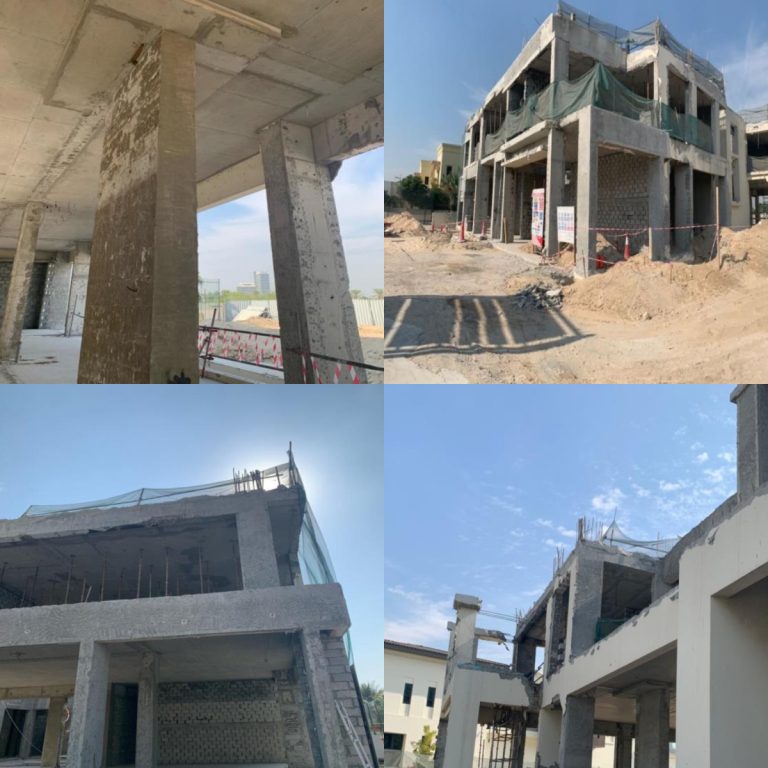
Defects introduced during construction can significantly affect the long-term performance of a structure. Issues such as improper curing, honeycombing, and early-age cracking can compromise durability if not identified and addressed early.

Concrete evaluation during construction helps detect and correct such issues before they escalate.

What is Concrete Evaluation

Concrete evaluation is the process of assessing the quality and integrity of concrete during or shortly after construction to identify defects and ensure compliance with design requirements.

Our Approach

1. Visual Inspection

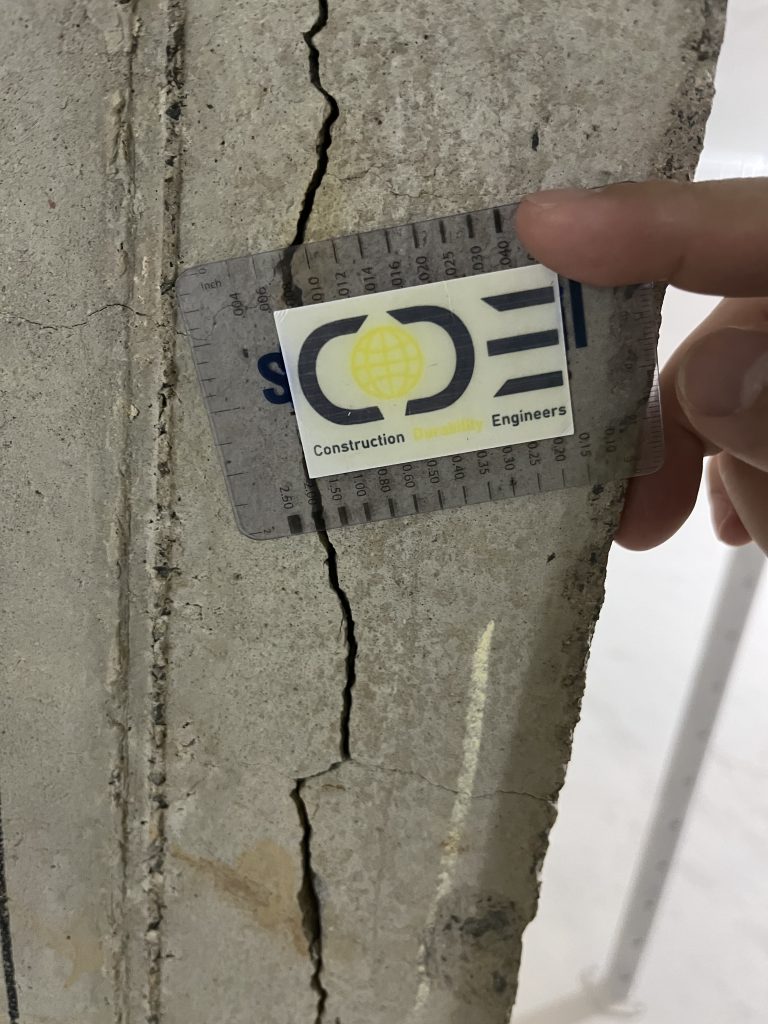
Concrete surfaces are inspected to identify visible defects such as cracks, voids, and surface irregularities.

2. Quality Assessment

Workmanship and construction practices are evaluated to identify potential causes of defects.

3. Testing and Verification

Testing methods are used to assess strength, uniformity, and integrity of concrete.

4. Defect Analysis

Identified defects are analyzed to determine their cause and potential impact.

5. Corrective Recommendations

Appropriate measures are recommended to address defects and prevent future issues.
Scope of Services

  • Identification of construction defects
  • Assessment of concrete quality
  • Testing and evaluation
  • Root cause analysis
  • Recommendations for corrective actions

Key Outcomes

  • Early detection of defects
  • Improved construction quality
  • Prevention of long-term deterioration
  • Enhanced structural performance

Applications

  • Newly constructed buildings
  • Infrastructure projects
  • Concrete structures under construction
  • Quality control programs

EXPLORE MORE

  • Crack Assessment

    Introduction Cracks are one of the most common indicators of structural issues. However, not all cracks are harmful. Proper assessment is required to determine their cause, severity, and impact on performance. Understanding cracks is essential for ensuring structural safety and durability. What is Crack Assessment Crack assessment involves analyzing cracks to determine their type, cause,…

  • Thermal Modeling

    Introduction Temperature variations within concrete structures can lead to thermal stresses, which may result in cracking and long-term durability issues. This is particularly critical in large structural elements and extreme environmental conditions. Thermal modeling helps predict and manage these effects during design and construction. What is Thermal Modeling Thermal modeling is the process of simulating…

  • Durability Planning

    Introduction Durability is a fundamental requirement for any structure expected to perform over its intended service life. Many structural issues arise not because of poor construction, but due to lack of proper durability considerations during the design stage. Durability planning ensures that structures are designed to resist environmental exposure, material degradation, and long-term deterioration from…

  • |

    PT Structure Assessment

    Introduction Post-tensioned structures are widely used due to their efficiency and performance. However, they require specialized assessment due to their unique construction and behavior. Any issues in PT systems can have significant implications for structural safety. What is PT Structure Assessment PT structure assessment evaluates the condition and performance of post-tensioning systems, including tendons, anchorages,…

  • Thermographic Inspection

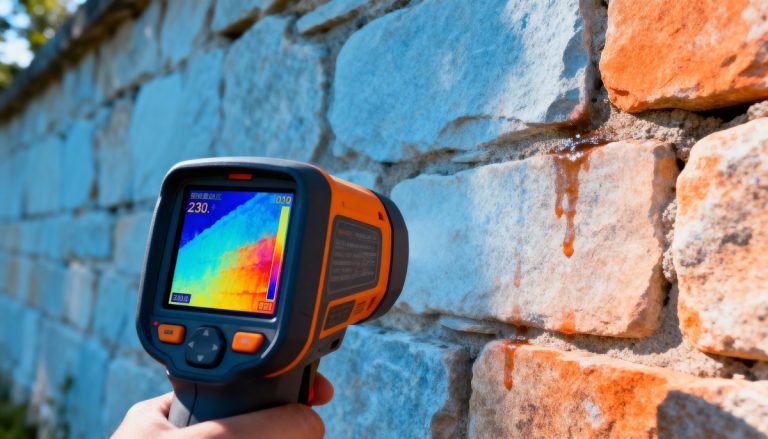
    Introduction Many defects within a structure are not visible through conventional inspection methods. Moisture intrusion, insulation failure, and energy loss often remain hidden until they cause significant damage. Thermographic inspection provides a non-destructive way to detect such hidden issues. What is Thermographic Inspection Thermographic inspection uses infrared imaging to detect temperature variations within a structure….

  • |

    Building Condition Audit

    Introduction Buildings undergo gradual deterioration due to environmental exposure, usage, and aging. Without regular evaluation, minor issues can develop into major structural and maintenance problems. A building condition audit provides a comprehensive understanding of the current state of a structure and supports informed decisions for maintenance and asset management. What is Building Condition Audit A…