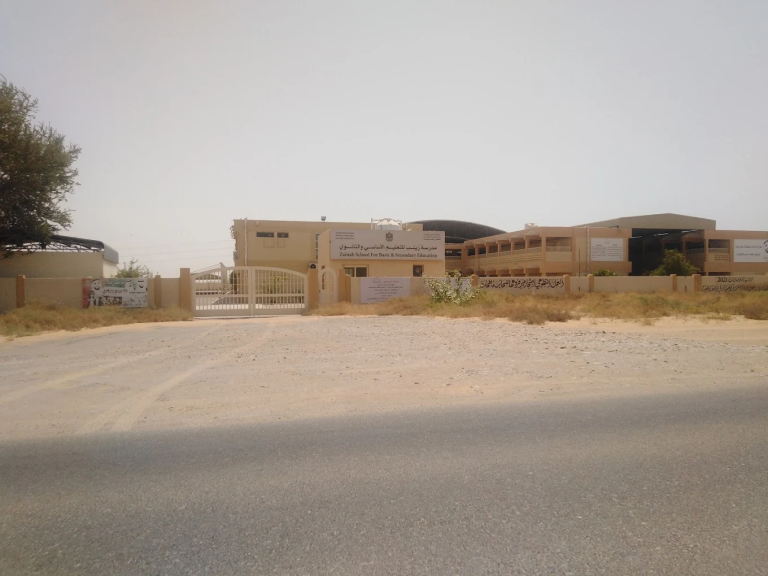

Condition Assessment
Introduction
Understanding the true condition of a structure is the foundation of any successful engineering intervention. Over time, structures are exposed to environmental effects, material degradation, and usage-related stresses that may not always be visible on the surface.
A professional condition assessment provides clarity—helping stakeholders make informed decisions regarding repair, strengthening, or continued service.
What is Condition Assessment?
Condition assessment is a systematic evaluation of a structure to determine its current state, identify defects, and understand the underlying causes of deterioration.
At CDE, we go beyond visual inspection. Our approach combines engineering expertise, testing methodologies, and analytical tools to provide a complete understanding of structural performance.
Our Approach
1. Visual Inspection
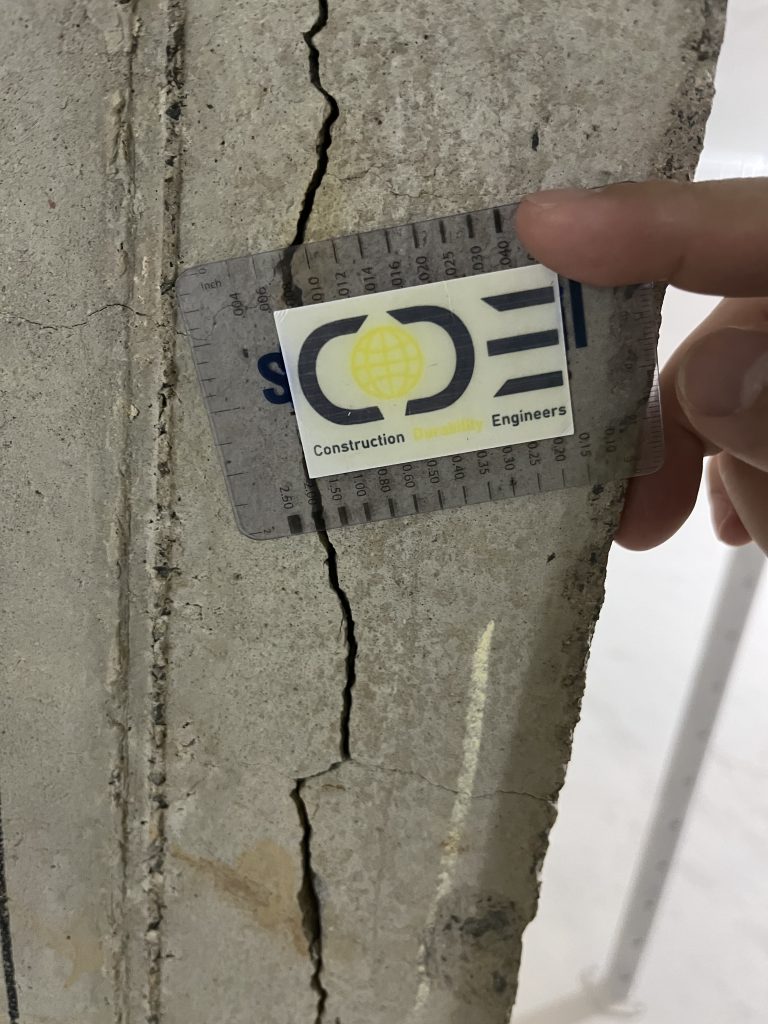
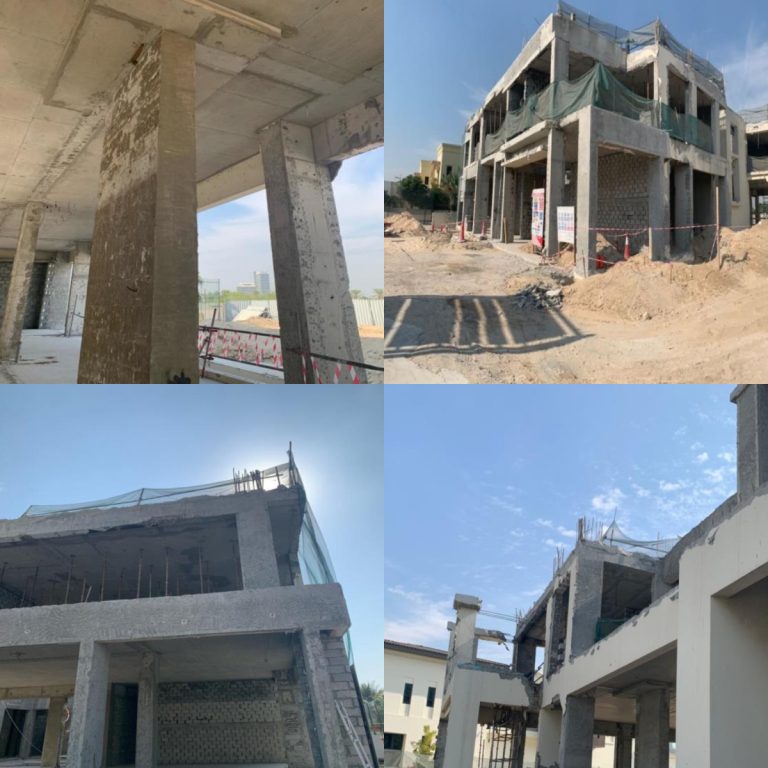
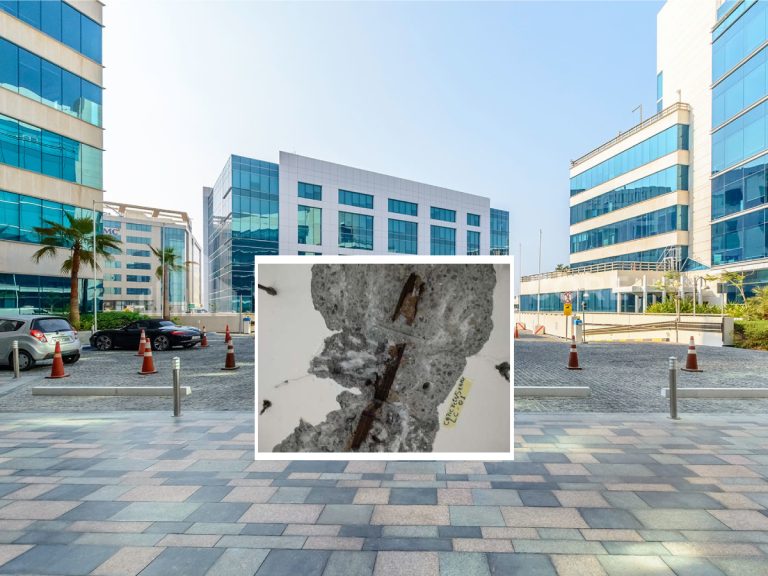
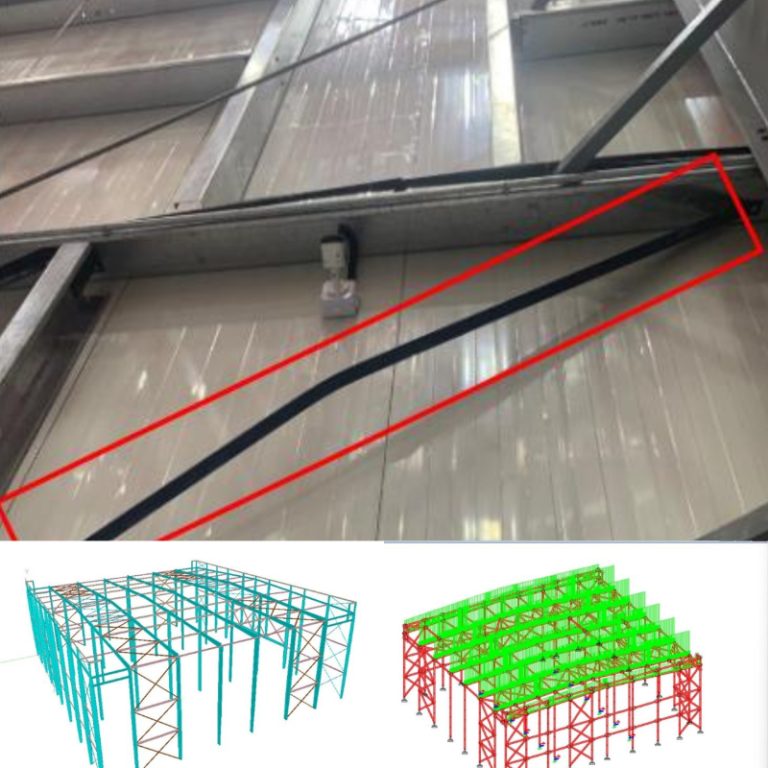
We conduct detailed on-site inspections to identify visible defects such as cracks, spalling, corrosion signs, and surface deterioration.
2. Review of Documents
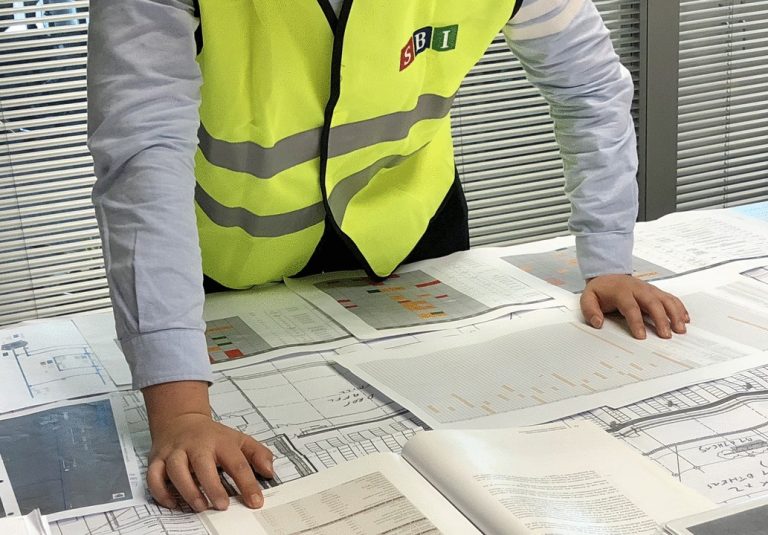
Existing drawings, specifications, and construction records are analyzed to understand design intent and historical performance.
3. Testing & Investigation
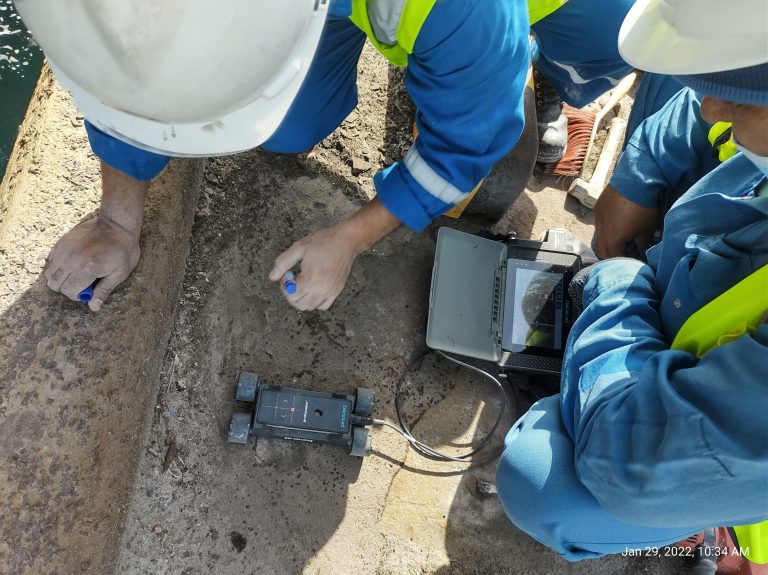
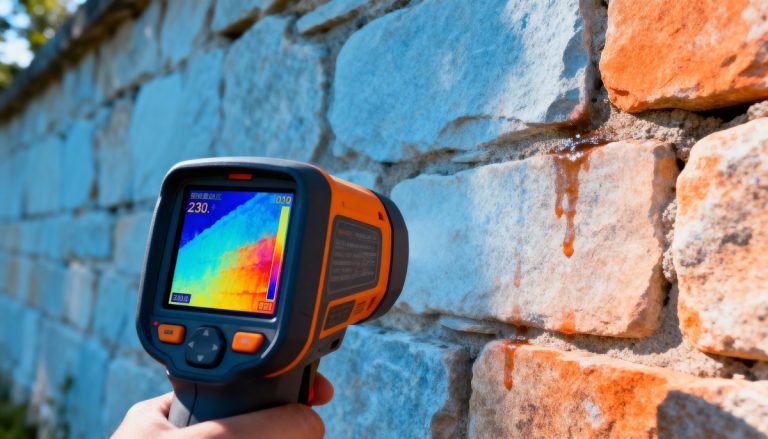
We employ non-destructive and, where necessary, destructive testing methods to evaluate material properties and structural integrity.
4. Defect Mapping
All observations are systematically recorded and mapped to identify patterns and severity.
5. Root Cause Analysis
Identifying the cause of deterioration is critical. We analyze environmental exposure, construction quality, and material behavior to determine why defects occurred.
Scope of Services
Why Condition Assessment is Critical
Incorrect diagnosis often leads to ineffective repairs and recurring failures. A thorough assessment ensures that interventions are targeted and technically sound.