Corrosion Investigation

Introduction

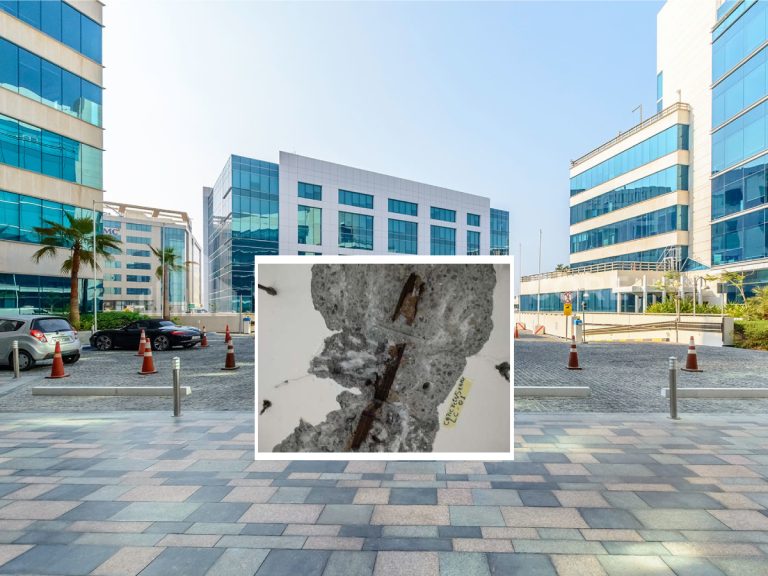
Corrosion of reinforcement is one of the primary causes of deterioration in concrete structures. If not properly identified and addressed, it can lead to cracking, spalling, and reduction in structural capacity.

A detailed corrosion investigation is essential to understand the extent and cause of damage.

What is Corrosion Investigation

Corrosion investigation identifies the presence, extent, and mechanisms of corrosion affecting reinforcement within a structure.

Our Approach

1. Visual Assessment

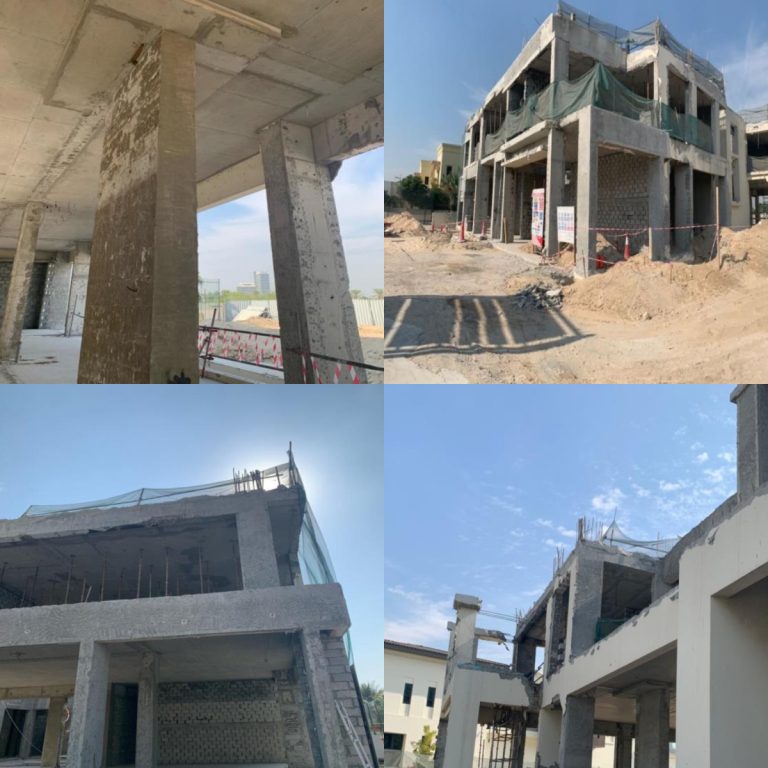
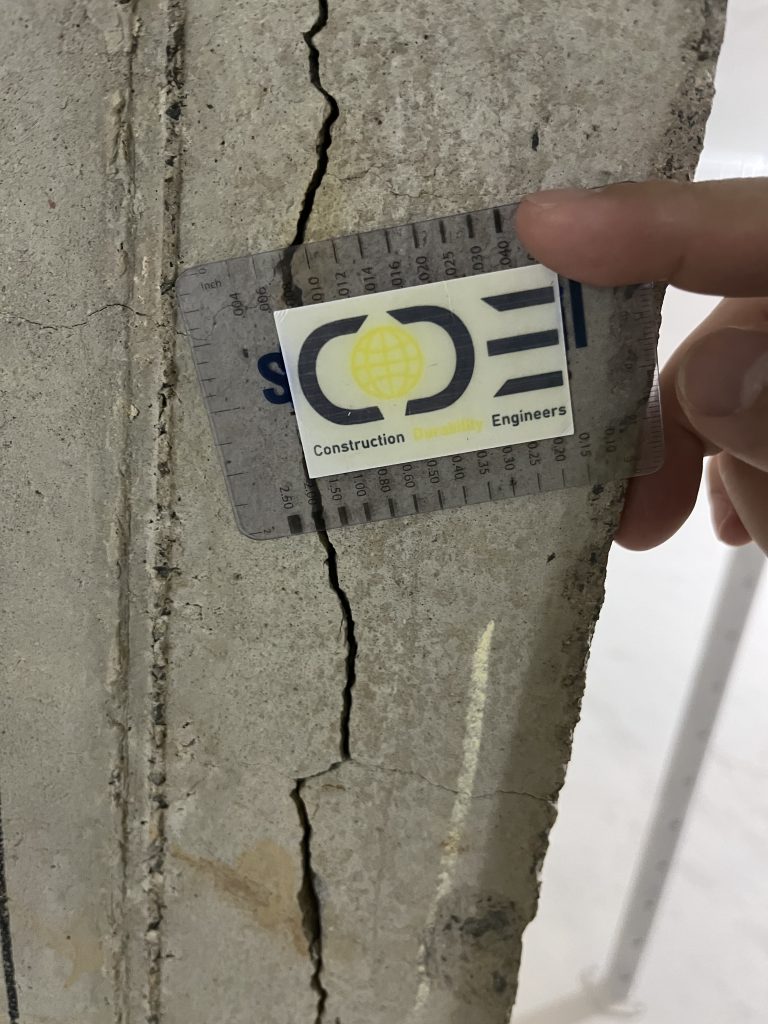
Initial inspection identifies visible signs such as rust staining, cracking, and spalling.

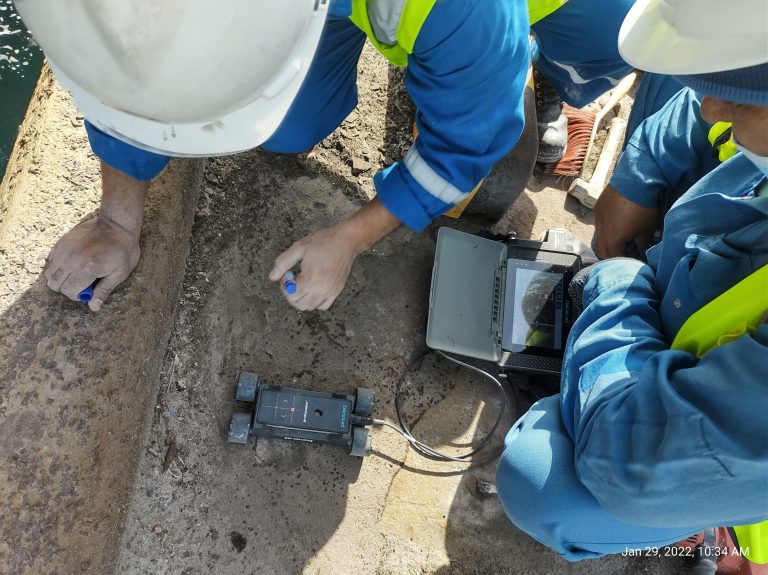
2. Testing and Measurement

Electrochemical and material testing methods are used to assess corrosion activity and extent.

3. Chloride and Carbonation Analysis

Testing is conducted to determine chloride content and carbonation depth, which are key factors in corrosion.

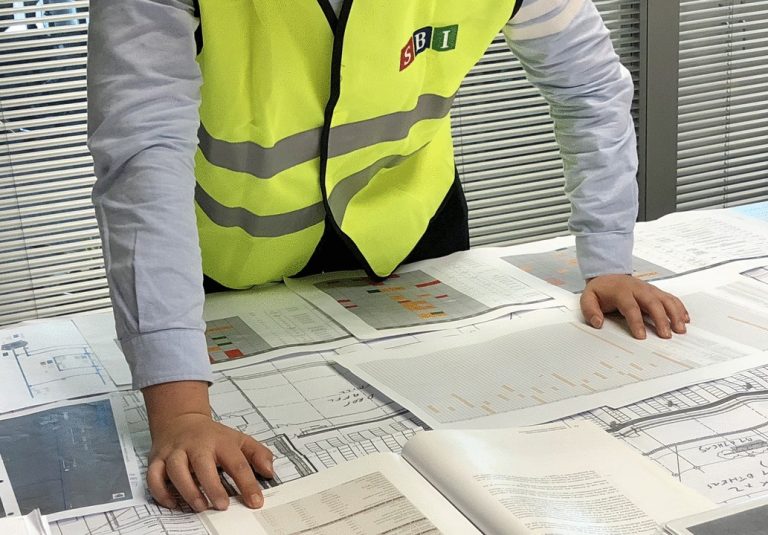
4. Mapping and Analysis

Corrosion-prone areas are mapped and analyzed to understand patterns and severity.

5. Root Cause Identification

Underlying causes such as environmental exposure, poor construction practices, or material deficiencies are identified.
Scope of Services

  • Corrosion mapping
  • Chloride content testing
  • Half-cell potential measurements
  • Carbonation depth analysis
  • Root cause evaluation

Key Outcomes

  • Identification of corrosion mechanisms
  • Accurate assessment of damage extent
  • Targeted repair and protection strategies
  • Prevention of further deterioration

Applications

  • Reinforced concrete structures
  • Marine and coastal environments
  • Industrial facilities
  • Aging building

EXPLORE MORE

  • Crack Assessment

    Introduction Cracks are one of the most common indicators of structural issues. However, not all cracks are harmful. Proper assessment is required to determine their cause, severity, and impact on performance. Understanding cracks is essential for ensuring structural safety and durability. What is Crack Assessment Crack assessment involves analyzing cracks to determine their type, cause,…

  • Thermal Modeling

    Introduction Temperature variations within concrete structures can lead to thermal stresses, which may result in cracking and long-term durability issues. This is particularly critical in large structural elements and extreme environmental conditions. Thermal modeling helps predict and manage these effects during design and construction. What is Thermal Modeling Thermal modeling is the process of simulating…

  • |

    Concrete Evaluation for Construction Defects

    Introduction Defects introduced during construction can significantly affect the long-term performance of a structure. Issues such as improper curing, honeycombing, and early-age cracking can compromise durability if not identified and addressed early. Concrete evaluation during construction helps detect and correct such issues before they escalate. What is Concrete Evaluation Concrete evaluation is the process of…

  • Durability Planning

    Introduction Durability is a fundamental requirement for any structure expected to perform over its intended service life. Many structural issues arise not because of poor construction, but due to lack of proper durability considerations during the design stage. Durability planning ensures that structures are designed to resist environmental exposure, material degradation, and long-term deterioration from…

  • As-Built Drawings Preparation

    Introduction Accurate documentation of a structure is essential for assessment, repair, and future modifications. In many cases, original drawings may not reflect the actual conditions on site. As-built drawings provide reliable information based on real conditions. What is As-Built Drawing Preparation It is the process of documenting the actual dimensions, layout, and structural details of…

  • Maintenance Planning and Lifecycle Management

    Introduction Long-term performance of structures depends on effective maintenance strategies. Without proper planning, deterioration can progress rapidly, leading to increased repair costs and reduced service life. Maintenance planning ensures that structures remain functional, safe, and durable over time. What is Maintenance Planning Maintenance planning involves developing structured strategies for inspection, maintenance, and repair based on…