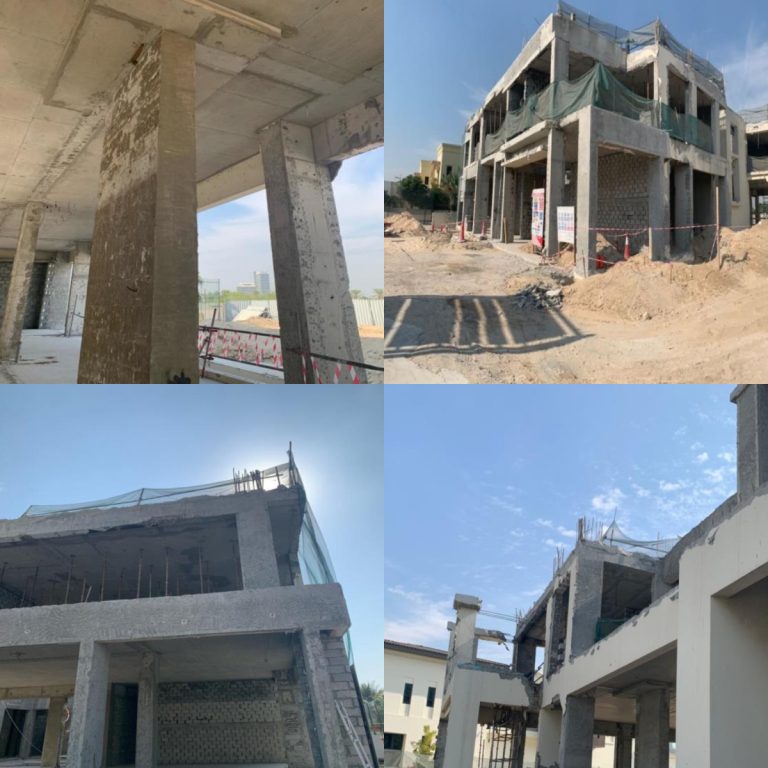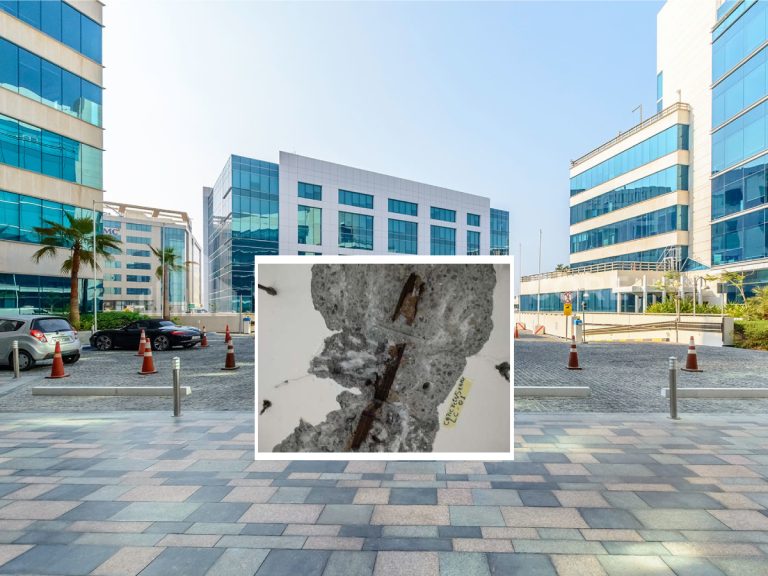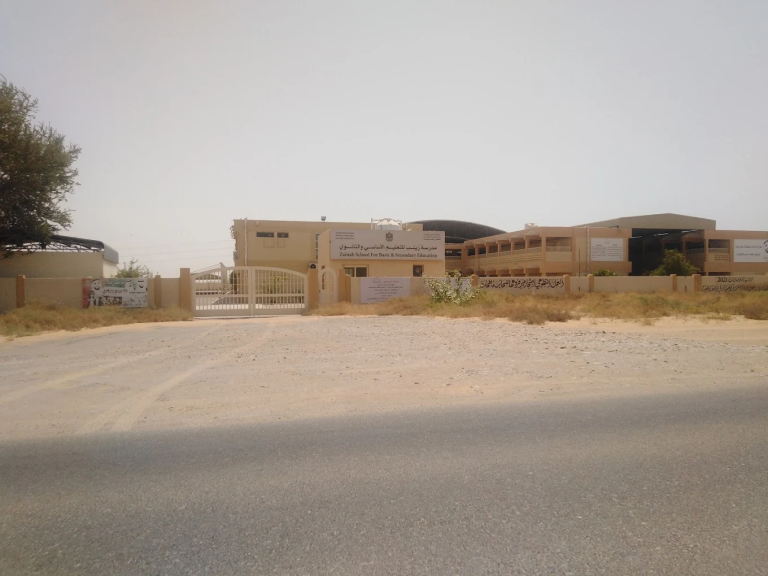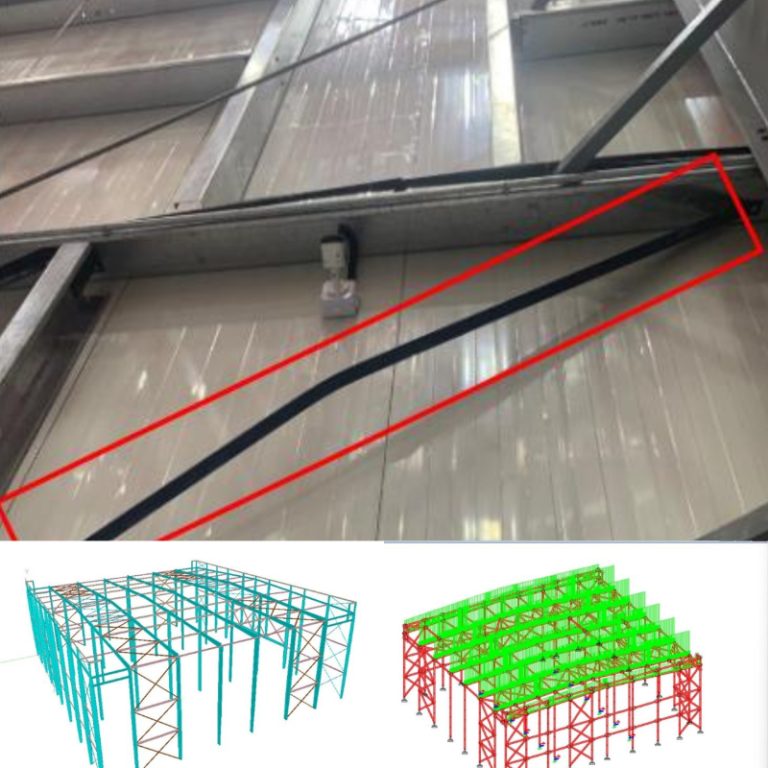
New Structures

  • Crack Assessment

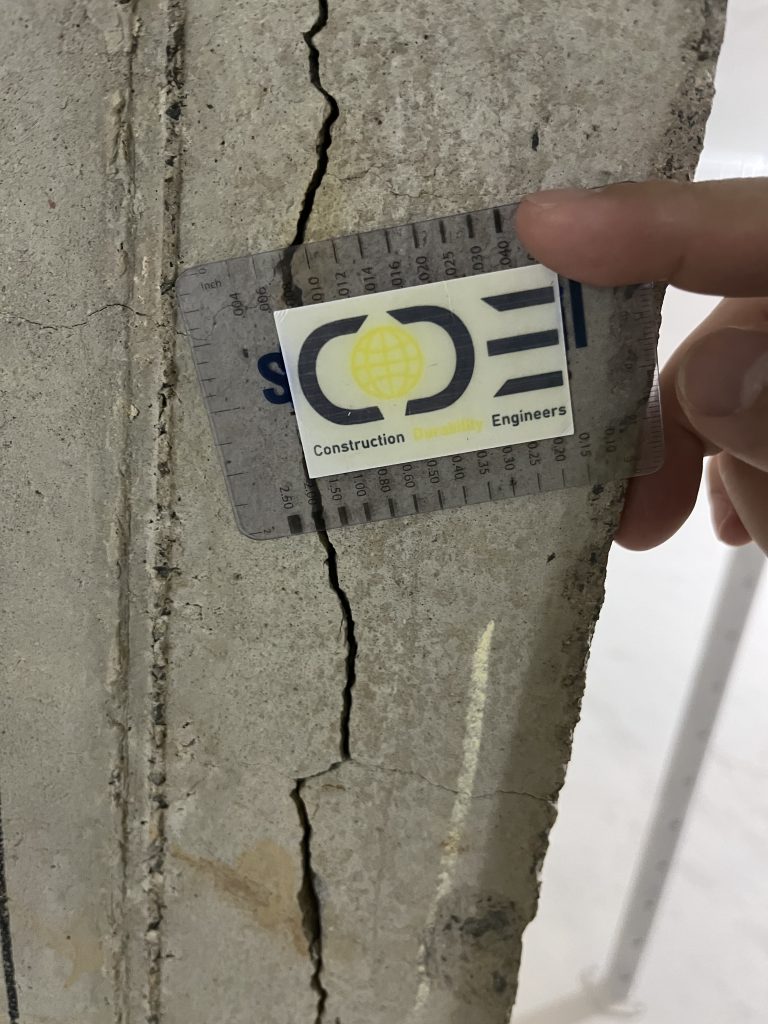
    Introduction Cracks are one of the most common indicators of structural issues. However, not all cracks are harmful. Proper assessment is required to determine their cause, severity, and impact on performance. Understanding cracks is essential for ensuring structural safety and durability. What is Crack Assessment Crack assessment involves analyzing cracks to determine their type, cause,…

  • Thermal Modeling

    Introduction Temperature variations within concrete structures can lead to thermal stresses, which may result in cracking and long-term durability issues. This is particularly critical in large structural elements and extreme environmental conditions. Thermal modeling helps predict and manage these effects during design and construction. What is Thermal Modeling Thermal modeling is the process of simulating…

  • |

    Concrete Evaluation for Construction Defects

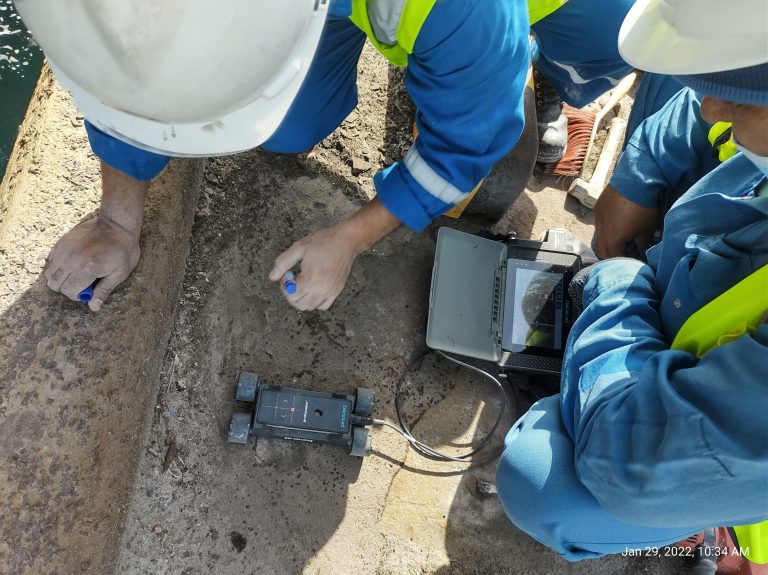
    Introduction Defects introduced during construction can significantly affect the long-term performance of a structure. Issues such as improper curing, honeycombing, and early-age cracking can compromise durability if not identified and addressed early. Concrete evaluation during construction helps detect and correct such issues before they escalate. What is Concrete Evaluation Concrete evaluation is the process of…

  • Durability Planning

    Introduction Durability is a fundamental requirement for any structure expected to perform over its intended service life. Many structural issues arise not because of poor construction, but due to lack of proper durability considerations during the design stage. Durability planning ensures that structures are designed to resist environmental exposure, material degradation, and long-term deterioration from…