
Thermal Modeling
Introduction
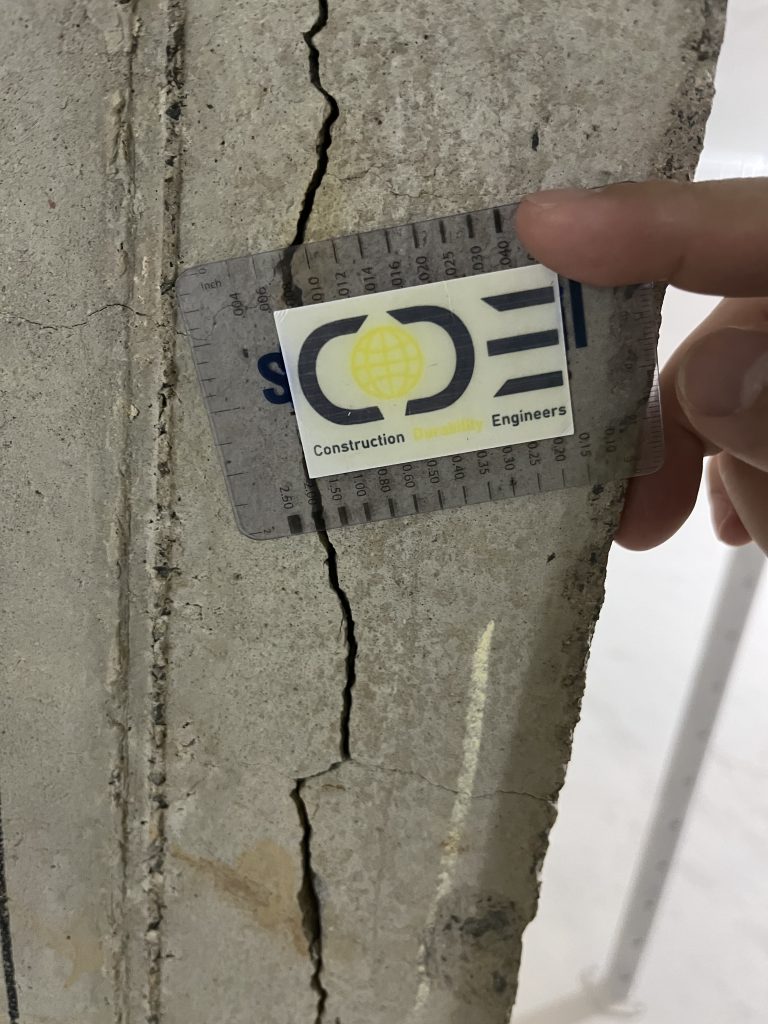
Temperature variations within concrete structures can lead to thermal stresses, which may result in cracking and long-term durability issues. This is particularly critical in large structural elements and extreme environmental conditions.
Thermal modeling helps predict and manage these effects during design and construction.
What is Thermal Modeling
Thermal modeling is the process of simulating temperature distribution within a structure to understand its impact on structural behavior and durability.
Our Approach
1. Data Collection
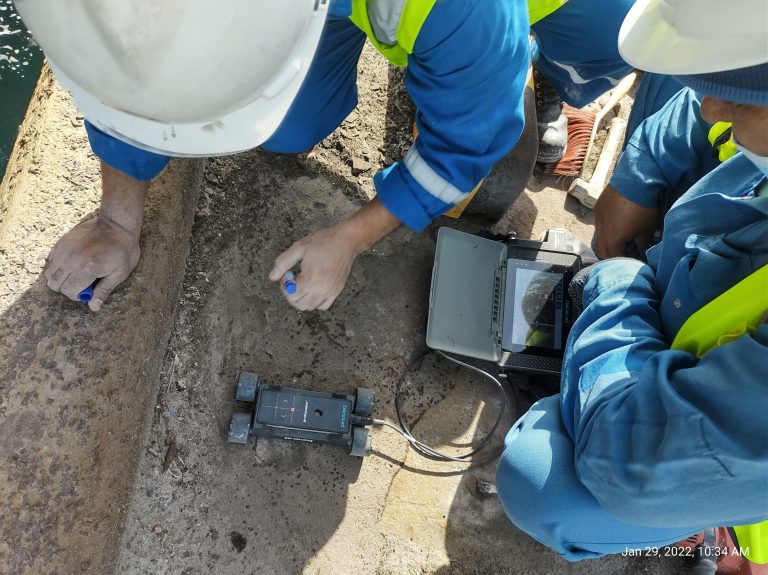
Material properties, environmental conditions, and construction sequences are analyzed.
2. Simulation
Advanced modeling tools are used to simulate temperature variations over time.
3. Stress Analysis
Thermal stresses and potential cracking risks are evaluated.
4. Design Optimization
Design modifications are recommended to minimize thermal effects.
Scope of Services
- Thermal analysis of structures
- Simulation of temperature variations
- Crack risk evaluation
- Recommendations for design improvement
Key Outcomes
- Reduced risk of thermal cracking
- Improved structural durability
- Optimized design for environmental conditions
Applications
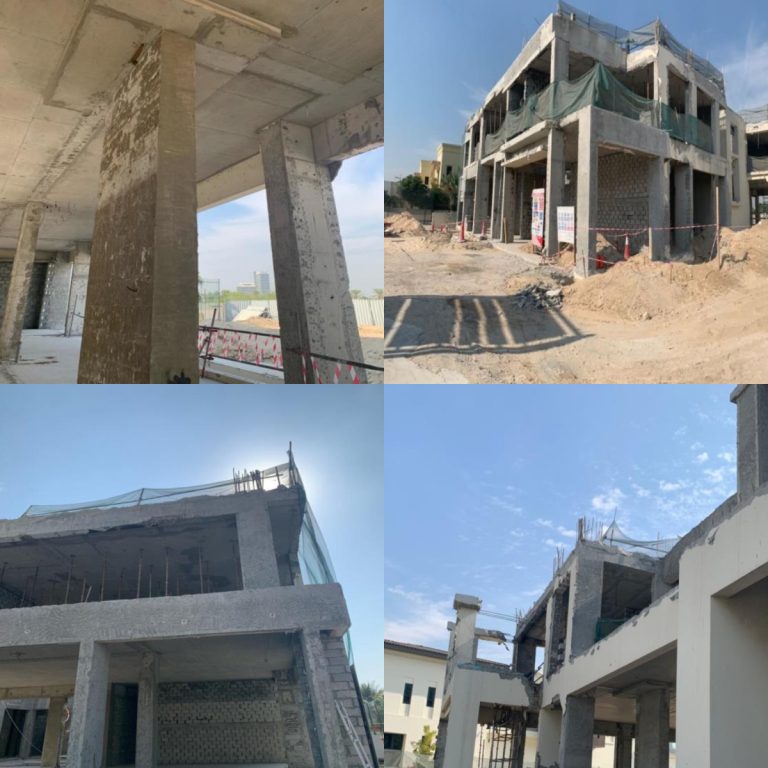
- Mass concrete structures
- Foundations and slabs
- Infrastructure projects
- High-temperature environments
Engineering Value
Thermal modeling enables proactive design decisions, reducing the risk of early-age and long-term cracking.